
The Best Freeride Skis: What They Are, Where To Buy, and More
If you have ever looked beyond the groomed runs and felt that pull toward untouched snow or into glades and trees, you already understand the freeride spirit. Freeride skiing isn’t about racing or perfect carving; it’s about freedom, creativity, and adventure. To experience it fully, you need the right gear, especially the right freeride skis.
Below, our quick guide explains what freeride skiing is, what makes a freeride ski unique, and how to choose the best freeride skis for your needs.
What Is Freeride Skiing?
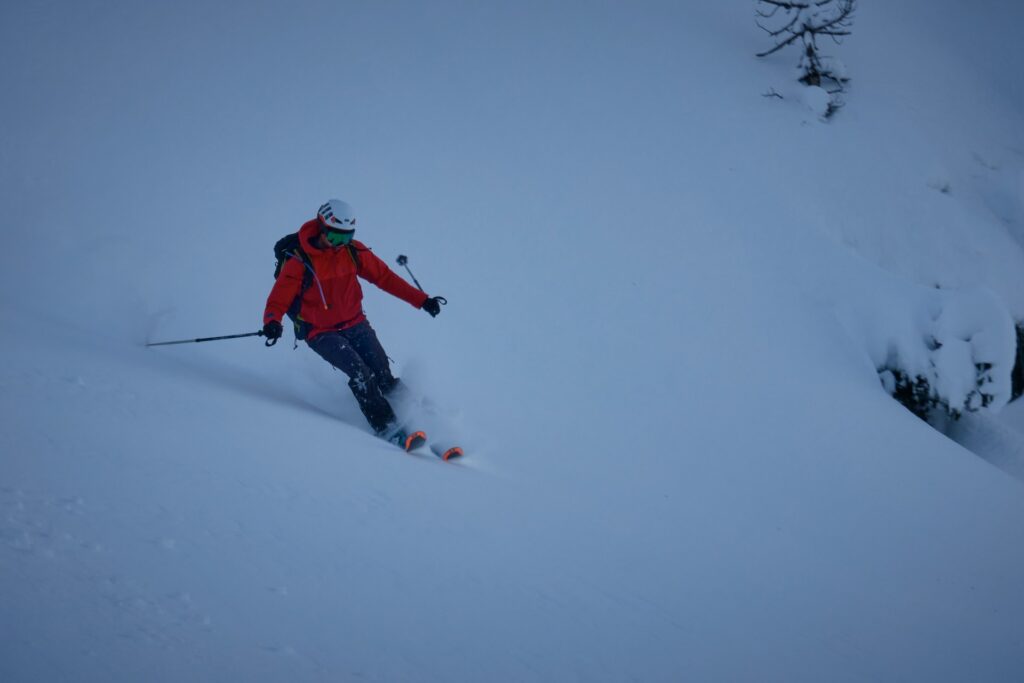
Freeride skiing is all about exploring natural, ungroomed terrain such as powder fields, steeps, and trees.
This type of thrill-seeking skiing happens off-piste, away from marked trails, where every turn and every run is different. It sometimes means going where you won’t have access to lift service, which might entail some hiking. In addition, tis type of off-piste skiing may only be accessible using ski skins.
Unlike freestyle skiing, which focuses on tricks in a terrain park, or alpine skiing, which stays on prepared runs, freeride skiing celebrates creativity and adaptability.
Freeride skiers read the mountain’s natural flow. One moment you might be carving through an open bowl, and the next you are weaving through trees. The goal is fluid movement and control, not competition.
Side note: You may also hear people use the term “freeriding skiing,” which means the same thing.
What Is a Freeride Ski?
A freeride ski is built for off-piste terrain. These skis are wider than all-mountain skis, giving them more float in powder and better stability in uneven snow. They balance power, agility, and playfulness so you can handle deep powder, wind-packed snow, and everything in between.
A few key features define a freeride ski:
- Width: Most freeride skis range from 100 mm to 120 mm underfoot, providing a wide platform for floating on soft snow.
- Rocker-Camber Profile: Many freeride skis have rockered tips, and sometimes tails, that make turning easier and improve floatation. The camber underfoot helps maintain edge grip on harder snow.
- Stiffness: A stiffer ski provides stability at higher speeds, while a softer ski allows a more playful and surf-like feel. Freeride skis tend to be softer to accommodate off-piste terrain.
- Length: Many freeride skiers choose skis slightly longer than their all-mountain setup for added confidence in deep snow. Because the tails of freeride skis are rockered — the flat part of the ski tends to be shorter — these skis tend to be longer overall.
In simple terms, a freeride ski is made for exploring beyond the groomers with confidence and style.
The Difference Between Freeride and All-Mountain Skis
A common question is whether freeride skis are really that different from all-mountain skis. The answer is yes, but with some overlap.
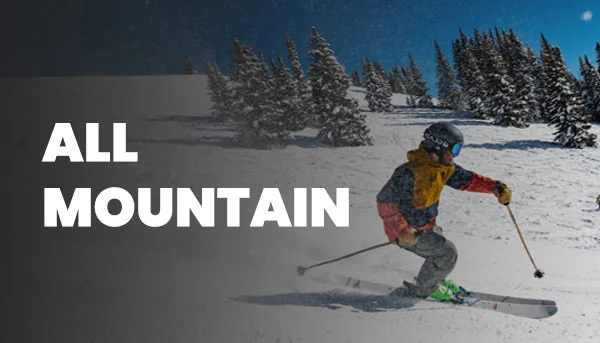
All-mountain skis are designed to perform well in all types of snow and terrain. They are narrower and more versatile for regular resort skiing. Freeride skis, on the other hand, are specialized for powder and variable conditions. They are made for adventurous skiers who spend most of their time exploring off the beaten path.
If you mostly ski groomed trails but occasionally head into powder, a ski around 100 mm underfoot will give you a good balance. If you live for deep snow and steep terrain, a wider freeride ski is the better choice.
How to Choose the Best Freeride Skis
Finding the best freeride skis depends on where and how you ski. Here are some things to keep in mind:
1. Terrain and Snow Type
- Coastal or heavier snow: Go wider, around 110–120 mm, for more float.
- Dryer or lighter snow: A width between 100–110 mm offers versatility without too much bulk.
2. Skill Level
- Beginner to intermediate freeriders: Keep honing your skills and wait to go off-piste until you are fully confident. To start getting into freeride, consider joining a more experienced partner on a designated off-piste trail.
- Advanced skiers: Go for a stiffer, more responsive ski that performs at higher speeds and on technical terrain.
3. Weight and Construction
Light skis are better for hikes or short backcountry missions. Heavier skis feel more stable and damp on resort runs.
4. Length
Pick skis about 5 to 10 cm longer than your all-mountain pair for extra stability in deep snow.
The Best Freeride Skis for This Season: Where To Buy
We carry some of the top freeride skis in-store at Boston Ski + Tennis, with multiple options for both men and women. Our selection includes different widths and flex profiles over the 100 mm threshold, with something for every freeride style. Come and see us to explore our options, including cutting-edge skis from Elan, Atomic, and other top brands.
Getting Started with Freeride Skiing
If freeride skiing is new to you, start small. Try skiing the sides of groomed runs or explore mellow off-piste terrain first. Always use proper safety gear, especially if you plan to venture outside ski area boundaries. In addition, make sure to always follow the rules of the mountain and be respectful to those around you. If you’re at a resort and venture away from the beaten path, stay safe and stick with experienced skiers.
Take an avalanche awareness course if you are heading into the backcountry. Learn how to read snow conditions, use a beacon, probe, and shovel, and ski with partners you trust. The goal is to enjoy the freedom of freeride skiing safely and responsibly.
Find the Perfect Skis for This Season
Freeride skiing is all about the experience of freedom on snow and the connection to the mountain. If you want to add a unique sense of flow and joy to your skiing experience, stop by Boston Ski + Tennis and check out our selection of freeride options. Our seasoned staff can help you make the perfect pick for your skill level and personal style.