

Skiing Layers: What To Wear
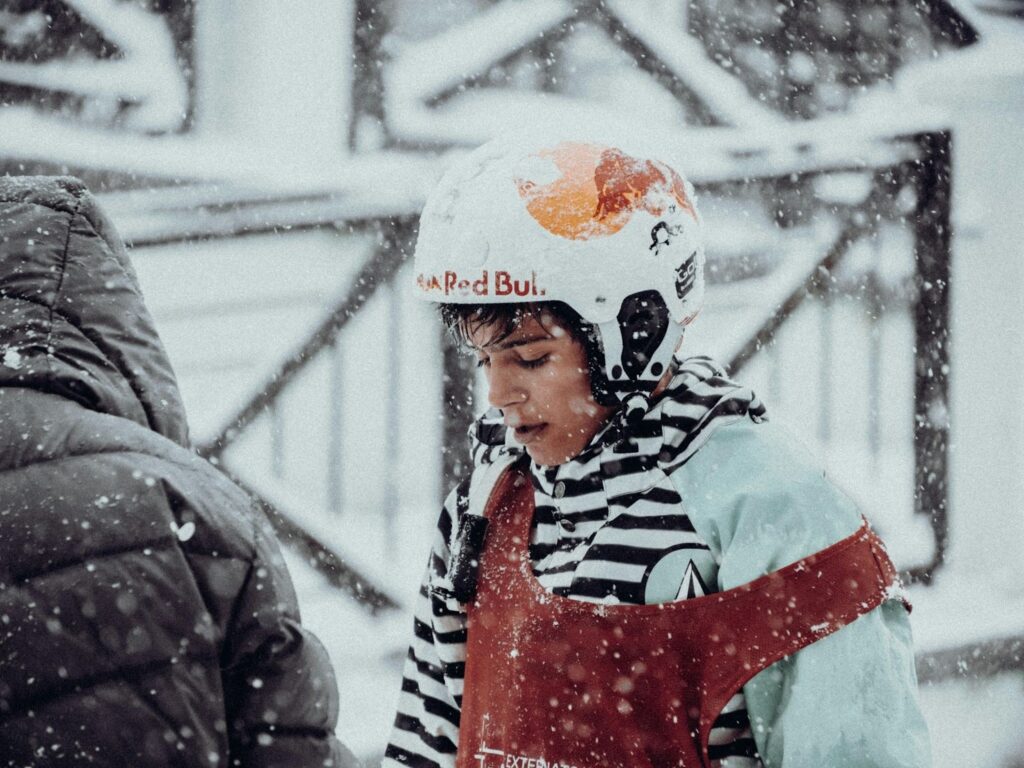
When you’re spending a day on the mountain, cold temperatures and falling snow come with the territory. Then, when the temperatures pick up, you want to be able to have the option of taking some layers off and not being limited to one big snow coat.
The goal isn’t to stack on the heaviest jacket you can find. It’s choosing the right layers so you stay warm, dry, and comfortable without feeling weighed down. A well-planned layering system can make all the difference in how your ski day feels.
At Boston Ski + Tennis, we help skiers fine-tune their gear choices every season. Below, we’ll break down what layers to wear skiing, how many you really need, and what to look for when selecting pieces that keep you comfortable from your first run to your last.\
What Is Triple Layering for Skiing?
We like to think of three layers of ski gear as the sweet spot for staying warm and comfortable without feeling stuffy or weighed down. Instead of reaching for bulky pieces, focus on multiple thinner layers that work together. This approach traps warm air between each layer and gives you the flexibility to add or remove pieces as your body temperature or the weather shifts throughout the day.
Here’s how each layer plays a role.
Good Base Layers for Skiing
First up is your base layer. This is your first line of defense against the cold because it sits right against your skin.
A ski base layer isn’t meant to provide heavy insulation. Its real job is to pull moisture away from your body as you ski. You’re going to sweat, and if that moisture lingers, it cools you down quickly and leaves you feeling chilled no matter how warm your outer layers are. That’s why selecting the right base layer matters so much.
Use The Mid-Layer to Insulate
Your mid layer is just as essential as the rest of your setup. This is your insulation layer, designed to hold onto the warmth your body produces and help shield you from the cold.
The thickness and technical level you choose depends on the day’s conditions and your personal comfort. On warmer spring days, you can leave the mid layer out entirely. When the temperatures drop in January, you can opt for something heavier to keep your core warm.
Popular Mid-Layer Choices to Choose From
Fleece: Fleece is a classic ski equipment staple for a reason. It’s lightweight, breathable, and still keeps you warm even if it gets a bit damp. You can choose from different weights too, from thin microfleece for mild days to thicker versions for really cold conditions. Thicker doesn’t always mean warmer. In fact, the best tech midlayers are often the thinnest.
Down: Goose or duck down offers the most warmth for its weight. It’s highly compressible, making it easy to pack. The main drawback is that it loses its insulating properties when it gets wet, so it’s best worn on dry, cold days or under a fully waterproof shell.
Synthetic Insulation: This is the human-made alternative to down, created using materials like PrimaLoft® or Thinsulate™. It mimics the heat-trapping properties of down but has the added advantage of retaining warmth when wet. It’s a versatile and popular choice for a wide range of conditions.
Wool or Smartwool: This layer can have big benefits in cold weather, especially because of its natural ability to regulate temperature and wick moisture away. It also tends to be more environmentally friendly.
Treat The Outer Layer as a Shell
Finally, there’s your outer layer, often called your shell. This is the layer that stands between you and the elements. Its job is to block wind, snow, and rain while still letting the moisture that moves through your base and mid layers escape.
Out of all the layers you wear, this one needs to be the most reliable. Look for a shell that can handle a full range of conditions including snow, dirt, debris, hail, and rain, so you stay protected no matter what the day brings.
Things to Consider:
Waterproofing: This rating, measured in millimeters (mm), tells you how much water pressure the fabric can withstand before it starts to leak. For skiing, look for a jacket with at least a 10,000mm rating to handle variable conditions.
Breathability: This is just as important as waterproofing. A breathability rating, measured in grams (g), indicates how much water vapor can pass through the fabric from the inside out. A higher number means better breathability, which is essential for preventing sweat from building up. Look for ratings of 10,000g or more.
Windproofing: Nearly all waterproof ski shells are also windproof, which is critical for blocking the wind chill you experience on the chairlift or during a fast descent.
Vents: Features like pit-zips (zippers under the armpits) are a huge plus. They allow you to dump heat quickly without having to remove a layer.
Why Having the Best Ski Base Layers Matters
If there’s one part of your layering system that’s truly worth investing in, it’s the base layer. You can have the most advanced jacket on the mountain, but if you’re wearing a cotton T-shirt underneath, you’re going to get cold fast. A proper base layer is the engine behind your whole comfort system. It manages moisture, helps regulate your temperature, and feels comfortable against your skin all day.
A well-made base layer will last for years and can noticeably improve every ski day. The price doesn’t have to be extreme, but it should reflect quality materials and solid construction. When you choose a good one, it’s a small investment that pays off every time you step onto the mountain.
Overall, layering allows you to have the best system for the best day on the slopes, whether it’s zero degrees or a warm spring day.
Choose Boston Ski + Tennis for Top-Tier Ski Gear
Dialing in your layering system can completely change how your ski day feels. When your layers work together, you stay warm, dry, and comfortable no matter what the mountain decides to throw your way. Just remember the three essentials: wick, warm, and protect — and definitely skip the cotton. When each piece has a purpose, you’ll spend far less time worrying about the temperature and far more time enjoying your runs.
If you’re ready to build a setup that truly performs, Boston Ski + Tennis carries everything from reliable base layers to high-quality outer shells. Stop in anytime, and our team will help you gear up for a season that feels better from the first lift ride to the last.