

Tennis Racquet String Tension: Choosing the Right Setup
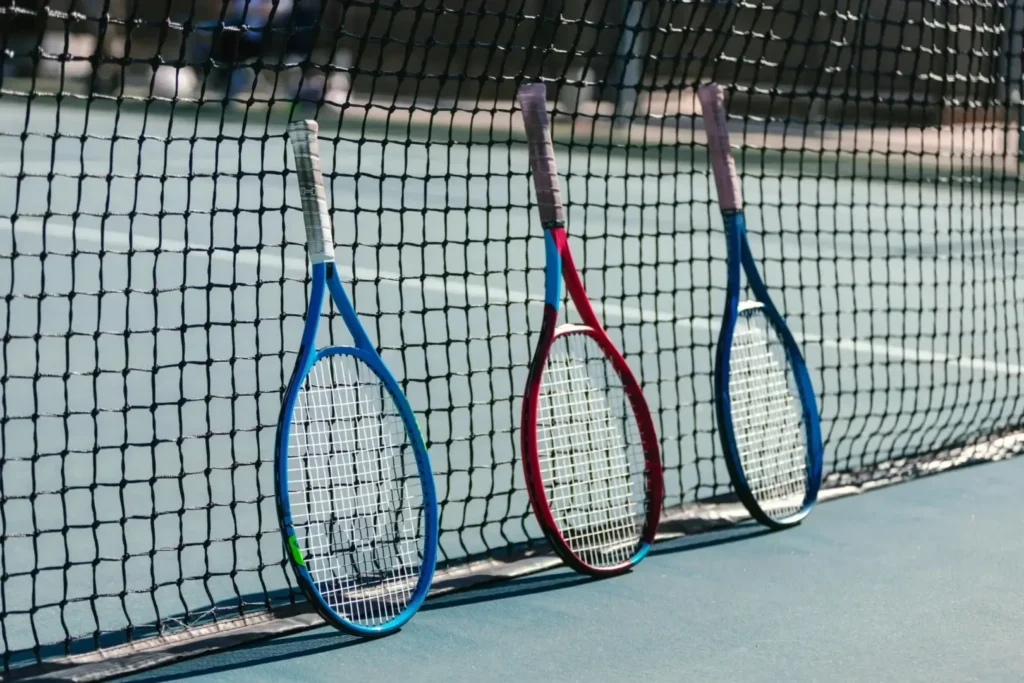
When you finally find the perfect tennis racquet, it may seem like the hard part is over. Everything about the grip, weight, and swing feels right. But on the court, you feel like you lack power on the ball. This could be because of the tennis racquet string tension.
A lot of times, the strings on these racquets are wound too loose or too tight, and that can affect contact with the ball. The good news is that Boston Ski + Tennis knows exactly how to fix it and what to look for to determine the ideal tension range for you.
What Exactly is String Tension?
When tennis racquets are made, the machine pulls the strings to a specific weight, usually measured in pounds (lbs) or kilograms (kg). Most modern racquets have a recommended tension range printed directly on the throat of the frame. This range typically falls between 45 and 60 pounds.
If you string your racquet at the lower end of that scale, you have a “looser” string bed. If you string it at the higher end, you create a “tighter” string bed. A few pounds of difference might sound minimal, but it can change the entire dynamic of how the ball leaves your strings.
How Does Tension in Tennis Strings Impact Performance?
Once you get used to a string tension, you usually start feeling the effects of “trampoline effect.” This makes it easy to know what kind of string tension you prefer based on your specific performance goals.
The Power vs. Control Trade-Off
The golden rule of string tension is simple: lower tension generates more power and higher tension provides more control.
When dropping your string tension, the strings start to feel a bit more like a trampoline. They give more on contact, absorb the ball, and then snap back to send it off with extra speed and depth.
If you’ve been struggling to hit the ball deep, lowering your tension by a few pounds can take some of the effort off your swing for a noticeable difference.
Spin Generation
Spin relies heavily on string movement. When you brush up on the back of the ball, the strings slide out of place and quickly snap back into position. This “snapback” grabs the ball’s felt and imparts heavy topspin.
Lower tennis string tension generally allows for more string movement. This means looser setups can help you make more topspin, if you use the right string type, like polyester.
Arm Comfort and Injury Prevention
Tennis elbow and shoulder pain plague many players. If you suffer from arm discomfort, the first thing to check is your string tension.
High tension creates a stiff, rigid string bed. When the ball hits a tight string bed, the strings absorb little of the shock. Instead, that shock travels straight down the frame, through the handle, and directly into your wrist, elbow, and shoulder.
Lowering your tennis racquet string tension softens the impact. Looser strings take in most of the impact, which helps protect your joints. If comfort is your main concern, stringing in the low 50s or high 40s can make playing fun again.
Matching Tension to Your Playing Style
Now that you know the technical aspects of tennis racquet string tension, you’ll want to know what tension works for your experience level. Below is what we recommend for beginner, intermediate, and professional players.
The Beginner and Recreational Player
If you are just starting out or play casually on the weekends, power and comfort should be your top priorities. Beginners often have shorter, slower swings and need help getting the ball over the net with depth.
Aim for the middle or lower half of your racquet’s recommended tension range (around 48-52lbs
50-53 lbs). Use a synthetic gut or multifilament string to maximize a soft, forgiving feel.
The Aggressive Baseliner
If you love hitting heavy groundstrokes from the baseline and take fast, full swings, you already supply your own power. Your biggest challenge is keeping those massive shots inside the lines.
Lean toward the middle or higher end of the recommended range (52-55lbs
53-58 lbs). Many advanced baseliners use polyester strings. Polyester is naturally stiff, so you actually want to string it a few pounds looser than synthetic gut to avoid hurting your arm.
The Serve and Volley Player
Players who attack the net need incredible precision and touch. When you hit a drop volley, you need the ball to die on the strings rather than bouncing off unpredictably. Higher tension 55+lbs
(55-60 lbs) works beautifully for net players. It provides the crisp, exact response needed for sharp volleys and delicate touch shots.
When Is It Time to Restring?
Knowing what works for you when it comes to tennis string tension is just half of it. You’ll also need to know when it’s time to restring your tennis racquet. Racquet strings begin to lose tension from the moment they are pulled off the stringing machine. They stop absorbing shock and lose their snapback ability, which can affect your control and puts your arm at risk.
The best frequency we can recommend is to restring your racquet as many times a year as you play per week. For example, if you play three days a week, aim for at least three string jobs a year. However, competitive players will notice a loss of tension much sooner and may restring every few weeks.
The time of year can also be a factor. Strings may loosen when the weather gets colder or warmer so it’s recommended to keep your racquet indoors as much as possible to maintain its tension.
Upgrade Your Tennis String Tension at Boston Ski + Tennis
Now that you know everything there is to know about tension in tennis strings, you can start hitting the tennis courts. If your string tension seems off, visit us at Boston Ski + Tennis to see what we can do. Do not be afraid to experiment.
The next time you break a string, ask to adjust the tension up or down by two pounds and note how it changes your game.