What Size Skis Do You Need? A Fit Guide For All Skill Levels
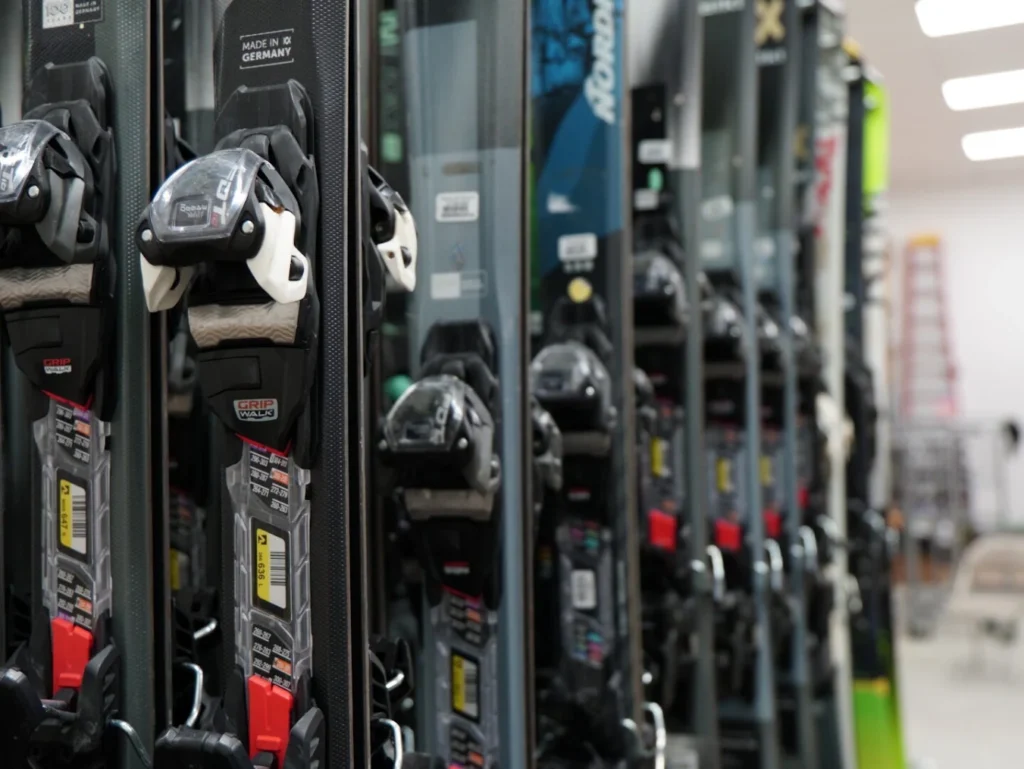
Finding the right size skis can feel confusing, especially when you’re looking at all the different models, lengths, and widths available. But it doesn’t have to be a guessing game. Ski length affects how easily your skis turn, how stable they feel at higher speeds, and how forgiving they are when you make a mistake.
Finding the right ski size starts with a few basic details, including your height, weight, skill level, and the type of skiing you enjoy. Your height gives you a good starting point, but it isn’t the only factor that matters. In this blog, we’ll discuss how these factors can affect ski length and help you get a better idea of what size skis may work best for you.
How to Determine Ski Length Based on Height
Height is usually the best place to start when choosing ski length. As a general rule, skis that reach somewhere between your chin and nose are a good choice for many recreational skiers, especially beginners and intermediates who want easier control and smoother turns.
If you’re an advanced or more aggressive skier, you may prefer skis that reach closer to your nose or forehead. The extra length can provide more stability when you’re skiing faster. Expert skiers who spend a lot of time in deep powder, big mountain terrain, or high-speed carving may even choose skis that reach the top of their head or higher.
Your weight matters, too. Heavier skiers may need a little more ski length to get the right amount of support and stability. Lighter skiers often feel more comfortable on shorter skis that are easier to turn and control.
What Ski Size Should You Choose Based on Your Ability Level?
Your skill level is just as important as your height when choosing the right ski length. Shorter skis are generally easier to control, which makes them a good choice for newer skiers. As your skills improve, longer skis can give you more stability and performance on the mountain.
Beginner Skiers
If you’re new to skiing, shorter skis are usually the way to go. A ski that reaches somewhere between your chin and nose is a good starting point. Shorter skis are easier to turn and control, which can make learning new skills feel less overwhelming and help you build confidence.
Intermediate Skiers
Once you feel more comfortable on the slopes, you may want to move up to skis that reach around your nose or slightly higher. The extra length gives you more stability while still keeping the skis easy enough to turn as you work on improving your technique.
Advanced Skiers
Experienced skiers often prefer longer skis that reach around the forehead or higher. Longer skis can feel more stable at higher speeds and perform better when you’re making aggressive turns, skiing through changing snow conditions, or taking on more challenging terrain.
How Does Skiing Style Affect Ski Size?
Your height and ability level give you a good starting point, but the way you like to ski also matters. Different types of skiing call for different ski lengths and shapes.
Carving on Groomed Runs
If you spend most of your time on groomed trails and enjoy making smooth, precise turns, a shorter and narrower ski may be a better fit. These skis respond quickly and are easier to move from one edge to the other.
All-Mountain Skiing
For all-mountain skiing, a mid-length ski is often a good choice. It offers a balance of easy turning and stability, making it useful when you’re moving between groomed runs, bumps, and different types of terrain.
Skiing in Powder
If you love skiing in deep powder, longer and wider skis can help you stay on top of the snow instead of sinking into it. The extra surface area gives you better float and can make deep snow easier to handle.
Match Your Skis to Your Style
Think about where you spend most of your time on the mountain and what you enjoy most. If you care more about quick, precise turns on groomed runs, a shorter carving ski may be the right choice. If you want better float in powder or more stability across different terrain, a longer, wider ski may make more sense.
Should You Lease or Buy Skis?
It really depends on how often you ski, how your needs may change, and where you are in your skiing journey to determine if you should lease or buy skis. Read more below on what we suggest to most of our customers with this question.
When Leasing Skis Makes Sense
Leasing can be a great option if you don’t want to commit to buying equipment right away. It’s especially helpful for:
- Growing kids who may need a different size every season
- Beginner and early intermediate skiers who are still figuring out what type of equipment works best for them
- Families who want properly fitted gear without having to wait in long rental lines at the mountain
Boston Ski + Tennis offers seasonal leases from August 1 through April 15. For people who plan to ski several days during the season, a seasonal lease or demoing a pair of skis can also be a better value than paying for daily rentals each time you hit the slopes.
When Buying Your Own Skis Makes Sense
Buying your own skis may be the better choice once you’ve settled into a regular skiing routine and know what you like. It’s a good option for:
- Experienced skiers who have a consistent ability level and skiing style
- Frequent skiers who want equipment that matches their specific preferences
- Skiers who plan to keep their gear for several seasons
When you’re ready to buy, Boston Ski + Tennis offers a carefully selected range of skis and gear, along with a trade-in program that makes it easier to upgrade down the road. You can also keep your equipment in good shape with services such as tuning and binding adjustments.
Find Your Perfect Ski Fit at Boston Ski & Tennis
Ski sizing involves more than height. Your skill level, skiing style, and favorite terrain all affect the length and type of ski that will work best for you. A good fitting takes all of these details into account.
Getting skis for a growing child? Buying your first pair? The team at Boston Ski + Tennis can help you find gear that fits comfortably and works for the way you ski. Schedule a lease appointment or stop by a Boston Ski + Tennis location to get sized and ready for the season.