

Winter Running Gear Guide
Winter’s on its way, and that means outdoor activities can get a bit trickier. Ice, snow, slush, and mud can make it difficult to get outside and enjoy your favorite forms of exercise.
But here’s the good news: winter running can actually be a blast, as long as you’ve got the right shoes and training tips to keep you warm, dry, and safe all season long. Check out Boston Ski + Running’s ultimate winter running gear guide to learn more.
Moisture-Wicking Base Layers Are Essential
It all starts with the layers closest to your skin. When running in the winter, it’s important to make sure your base layer is made from a material that doesn’t make you too hot.
For the best possible running experience, you’ll need a base layer that can pull sweat away from your body. Staying dry is the main concern because it’s the easiest way to stay warm in the cold temperatures.
- Materials to Look For: Opt for synthetic fabrics like polypropylene or natural fibers like merino wool. These materials actively pull moisture from your skin to the fabric’s outer surface, where it can evaporate. Avoid cotton at all costs, as it absorbs moisture and holds it against your skin, creating a personal refrigeration unit.
- Fit: Your base layer should fit snugly against your skin to be effective. A loose fit creates air gaps where moisture can get trapped, defeating the purpose.
The Art of Layering for Winter Runs
Then comes the layering. Having multiple layers on your body for your winter run may seem like you’re limiting your ability to move your arms or legs, but if you find the right pieces of clothing, you can stay flexible and end up running better.
Here’s what we’ve found to be the sweet spot for layering your clothes before you hit the outdoors for a cold-weather run.
The Mid-Layer: Your Insulation
This layer’s job is to trap your body heat during a trail running session. The thickness and material depend on the temperature.
A perfect example of this mid-layer is Helly Hansen’s Smart Hybrid Jacket, which we carry in our shop. Comfortable and beautifully designed, this jacket provides you with lightweight, breathable warmth for your runs thanks to built-in LIFALOFT™ insulation. Plus the stretchy, slick-face fleece panels help you maximize your range of motion, and the jacket can be packed down into a small bag, making it ultra-portable.
The Outer Layer: Your Shield
This layer protects you from wind and precipitation, and it’s also a shield for your phone and any other essential items that you’re carrying with you on your run. The right choice depends on the day’s weather.
- Wind-Resistant Softshells: Perfect for cold, dry, and windy days. They are highly breathable and offer great mobility.
- Waterproof-Breathable Shells: Essential for running in rain, sleet, or wet snow. Look for jackets with technical membranes that block precipitation from entering but allow sweat vapor to escape. Many feature zippered vents (pit zips) for extra temperature regulation.
Make Sure to Cover the Legs, Hands, Head, and Neck
When it comes to cold-weather running, it’s important to know that the extremities are what are going to lose the most body heat as you get your miles in. You’ll want to make sure all of them are covered in protective trail running gear. For instance, with your legs, if you want to wear shorts, it may be wise to get right underneath for colder days. There are even thermal or fleece-lined tights to be even more protected. Then, for hands, make sure to find some lightweight gloves. Some runners wear thin liner gloves under a warmer mitten for maximum versatility. Finally, for your head and neck, you’ll want a beanie, headband, or even a neck gaiter. These are great winter running accessories for your next workout.
The Best Trail Running Shoes
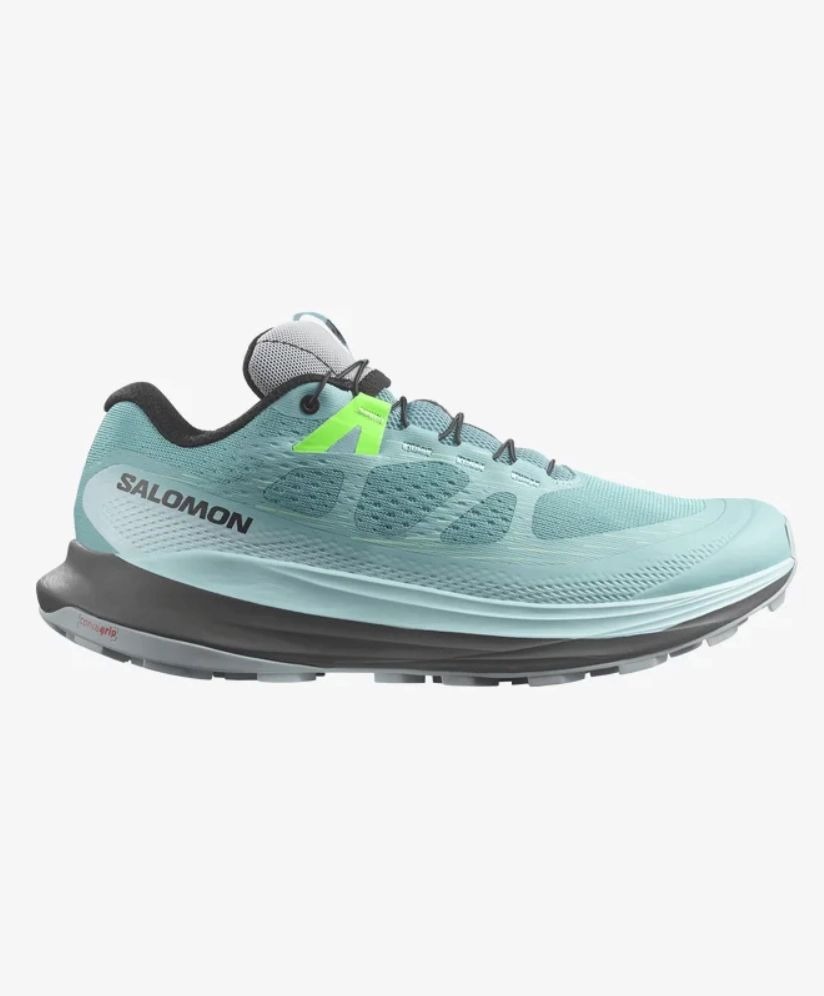
Now for the shoes, which are one of the most important pieces of your running ensemble. You’ll want running shoes that can handle ice and slush. Traction and protection are the most important traits to look for when you’re shopping for the best running shoes for snow, but also keep an eye out for aggressive lugs, stickier rubber compounds, waterproof materials, and traction aids that can help you have all the control you need if you come across ice, slush, and snow.
More Cold-Weather Running Tips for Success
Winter running can be a blast, but it’s important to remember a few more things to stay safe and comfortable.
First, try to get a little warm-up in before you even step outside. A quick 5-10 minute dynamic stretch session can really help get your blood flowing so you’re not starting from scratch in the cold. Also, take it easy on your pace. When you’re dealing with snow or ice, slower is definitely better; it gives you more stability and helps prevent any nasty slips or falls.
Finally, don’t forget to hydrate. Even though it’s chilly, you’re still losing fluids through sweat and just breathing, so keep some water handy.
Winter Running Safety
People often forget how dangerous running in the winter can be. Your well-being is the top priority over anything else, so play it safe.
Make sure to stick to familiar, well-lit routes that you know. Then, always be on the lookout for ice, especially in dark or shaded spots. Those areas tend to be frozen longer and can make runners slip and potentially injure themselves. Finally, have a buddy to run with you while also always carrying your phone and ID. It’s important to let someone know your route and when you expect to be back.
Wrapping Up
Don’t let winter get you down or stop you from running! You can still enjoy fantastic workouts outdoors. It’s all about having the right reliable winter running gear. If you have questions or want to figure out what gear would be best for specific running terrain, come visit us at Boston Ski + Tennis. Our team knows all too well what it’s like to run in the cold, snow, and rain, and we can help you get geared up and out there. Reach out to us today and see for yourself.